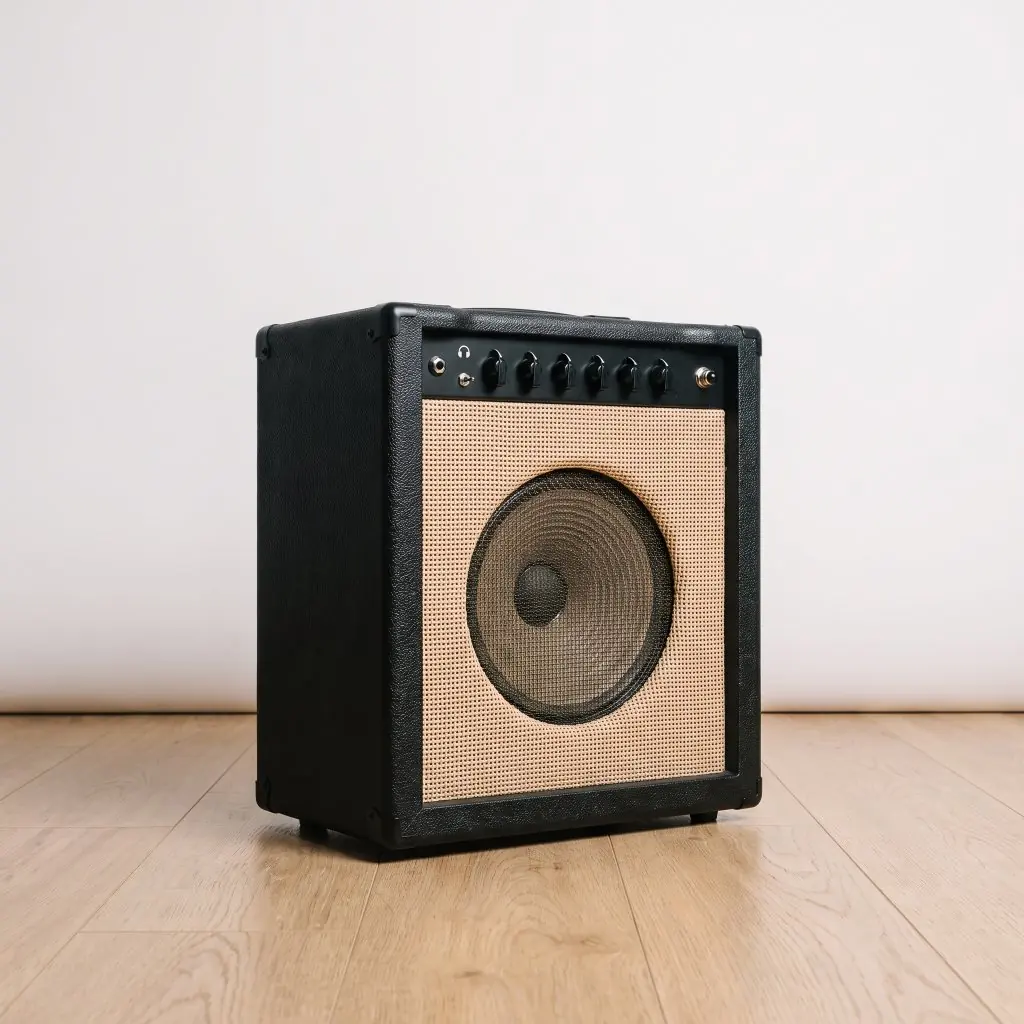
Essential for electric
Guitar amp
At home, a small 10–20W combo or a headphone amp. A headphone jack and Bluetooth (for playing backing tracks) make it much more satisfying. $50–370.
Electric and bass need an amp to make sound; acoustic and classical need care tools instead of an amp. Budget for the instrument alone and this is where you get stuck. Here are the essentials by instrument, sets by budget, and amps by purpose.
The top row is what you can't practice without; the bottom row can wait.
| Instrument | Needed from the start | Later | No need to buy |
|---|---|---|---|
| Electric | Amp (or headphone amp) · cable · tuner · picks · strap | Spare strings (3 months) · one effect (4 months) · interface (for recording) | Lots of pedals, premium cables, a hard case (for guitars under $1,000) |
| Acoustic | Tuner · capo · picks · hygrometer (solid top) · case | Spare strings · strap · pickup (for the stage) | Amp, effects |
| Classical | Footstool (or support) · tuner · case | Spare nylon strings · nail file | Picks, strap, amp |
| Bass | Bass amp (or headphone amp) · cable · tuner that reads low notes · wide strap | Spare strings (pricey, 4–6 months) · compressor (6 months) · DI (recording, gigs) | Guitar amp (can damage the speaker), lots of effects |
At home, a small 10–20W combo or a headphone amp. A headphone jack and Bluetooth (for playing backing tracks) make it much more satisfying. $50–370.
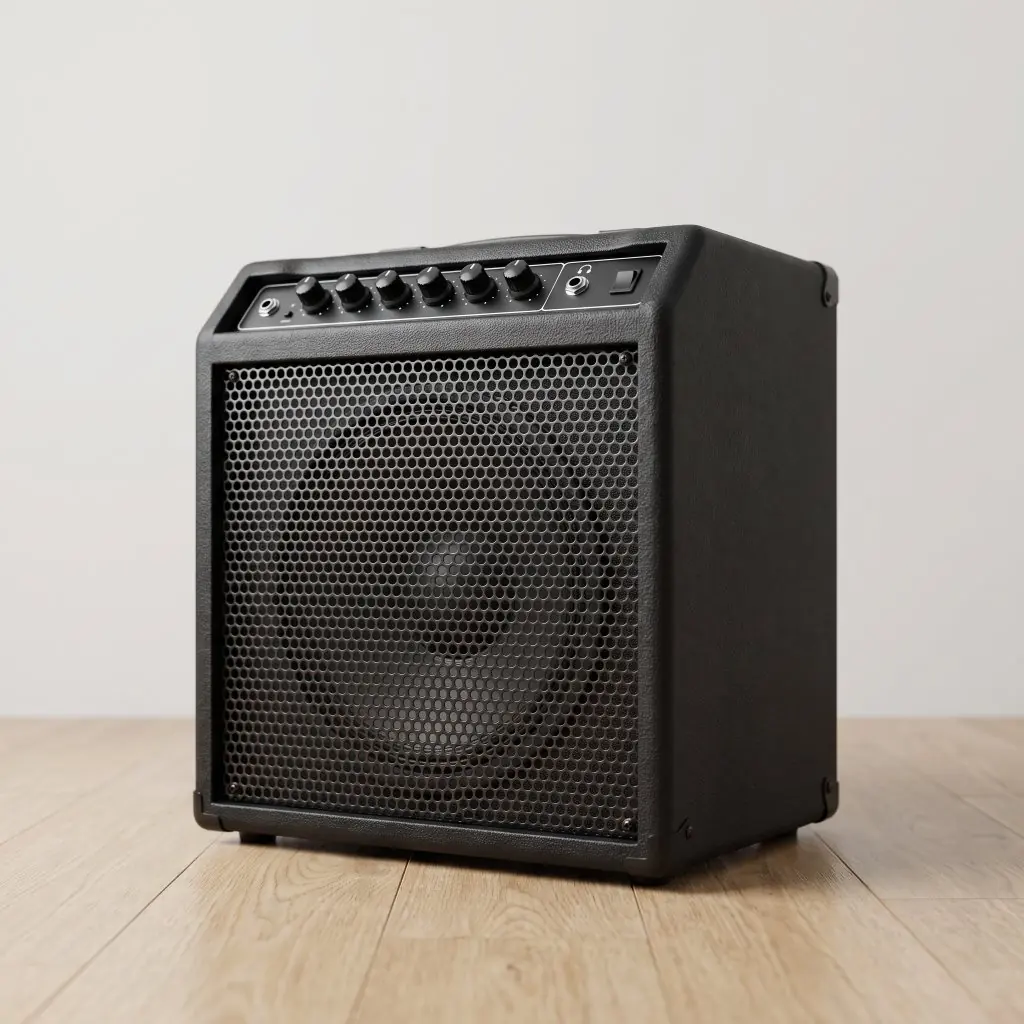
Bass amps have speakers built for low end. Plugging a bass into a guitar amp can damage the speaker. 15–40W for home, 100W or more for a band. $100–650.
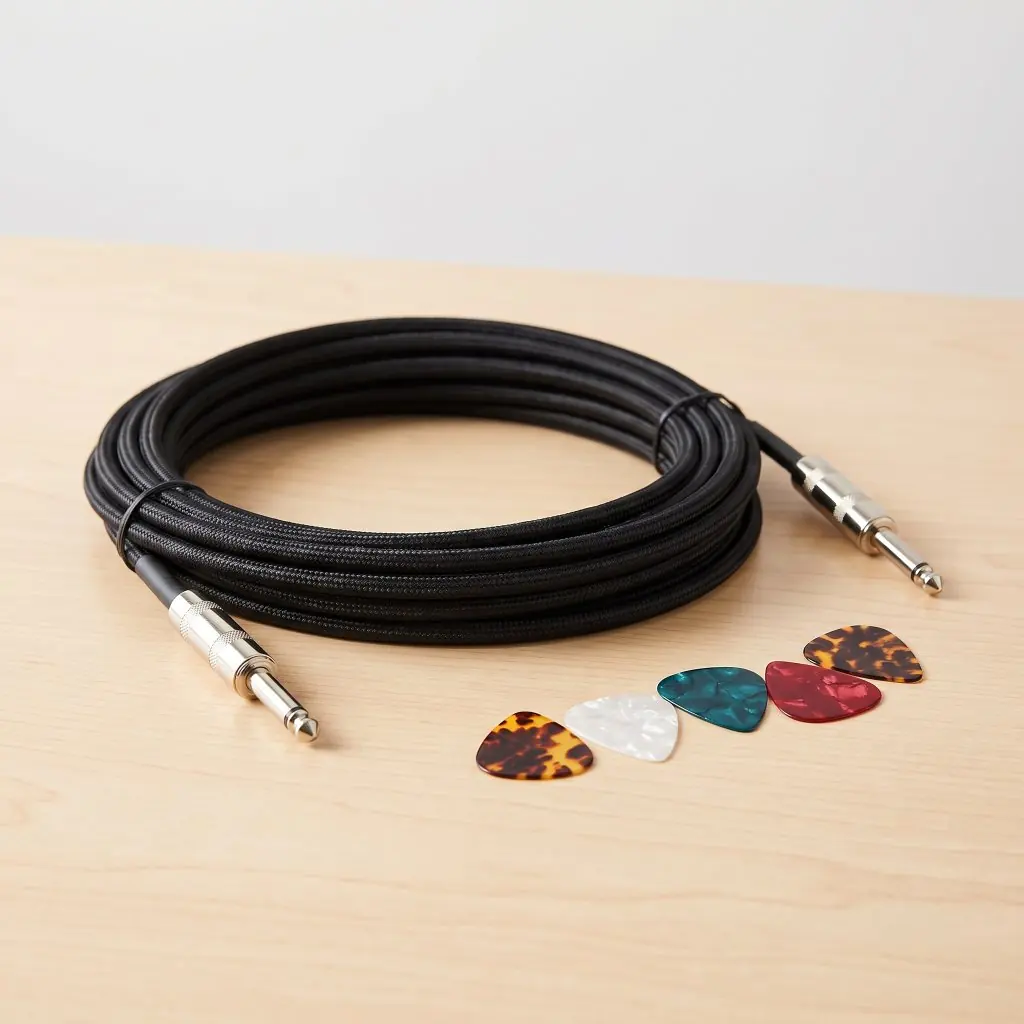
A 3m (10 ft) TS cable for $17–23 is plenty. For picks, start with a 0.73mm medium and try several thicknesses. They're easy to lose, so buy about five.
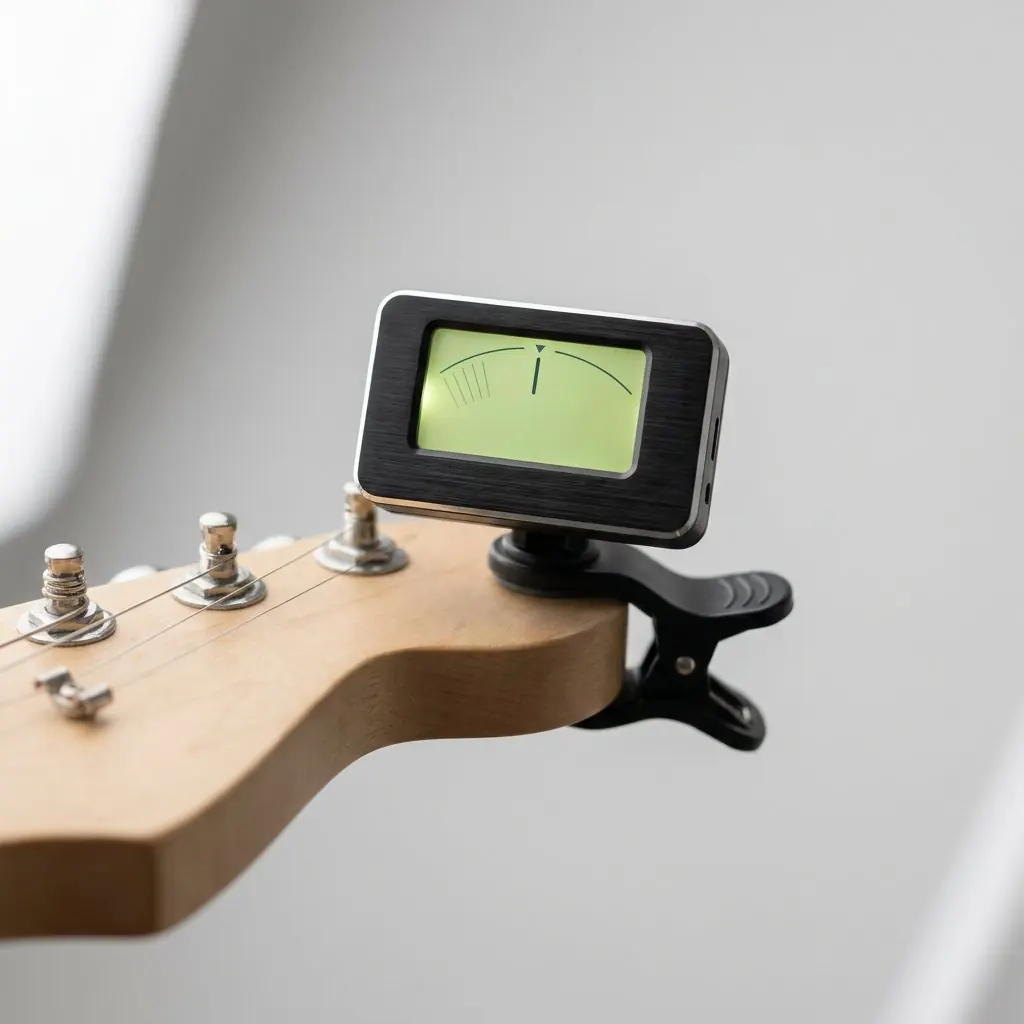
A clip-on for $16–22. If you're out of tune, everything sounds wrong and you give up. For bass, check that the model can read low notes.
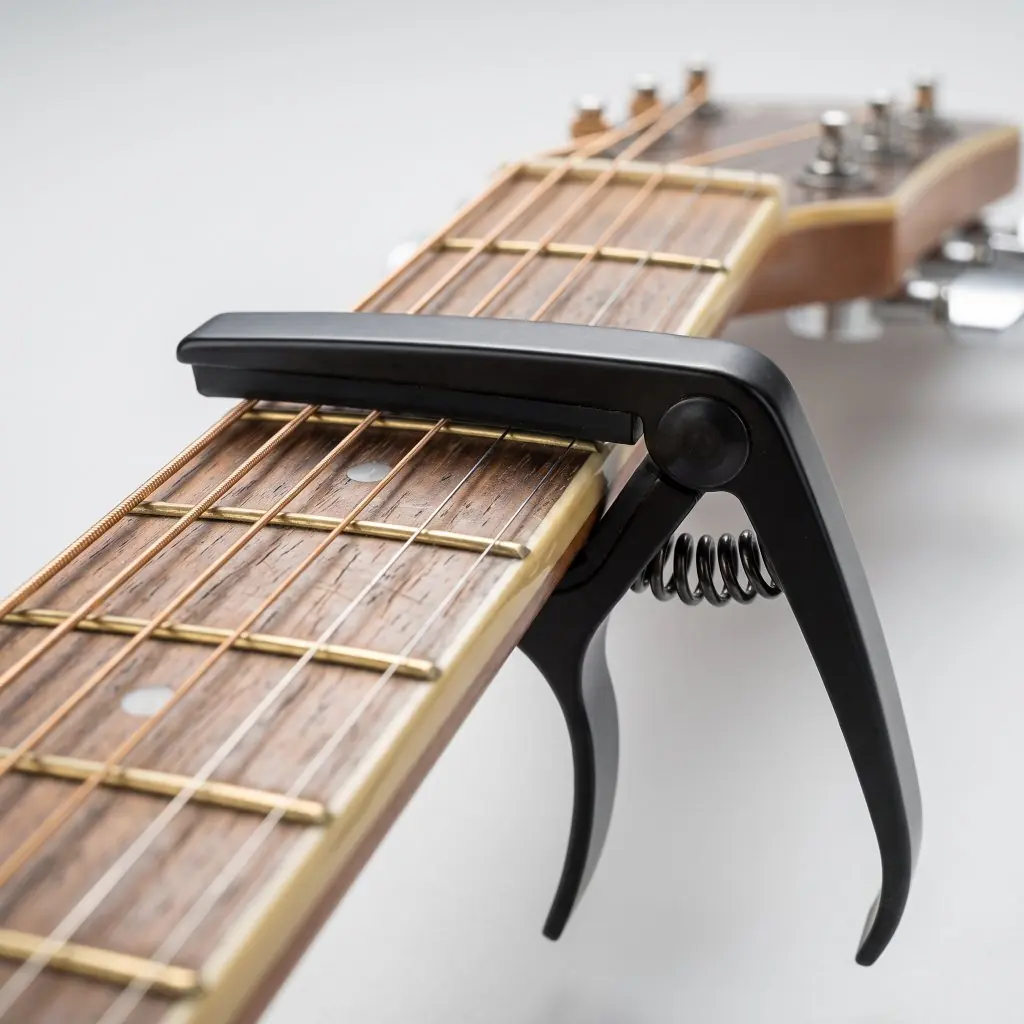
A clamp that goes on the neck to raise the key. Almost essential for matching a song's key. $13–25. Used on electric and classical too.
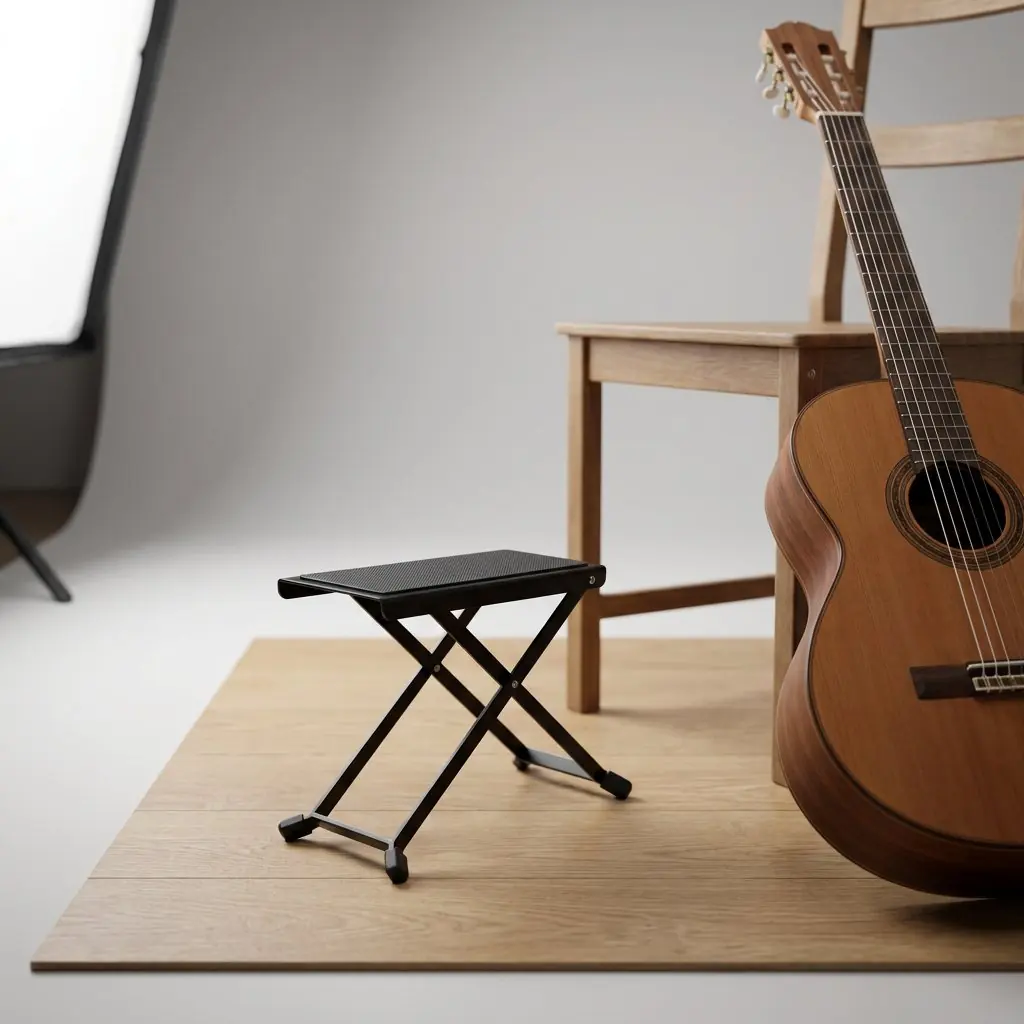
A footstool for your left foot ($16–23), or a support that lifts the guitar off your thigh. On classical, posture is half the sound.
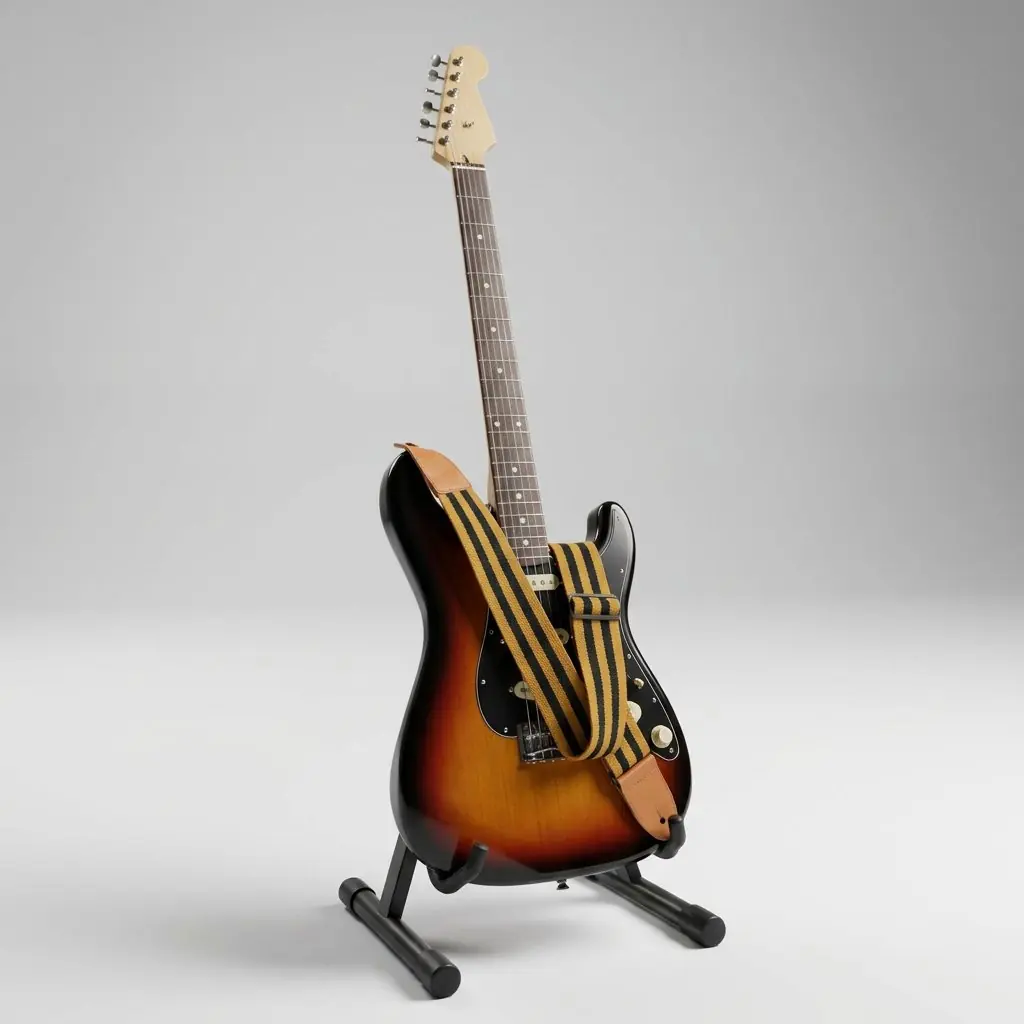
Even if you only play sitting down, a strap steadies your posture. A basic one is $6–11. A bass weighs 4–5kg, so we recommend a wide strap and strap locks.
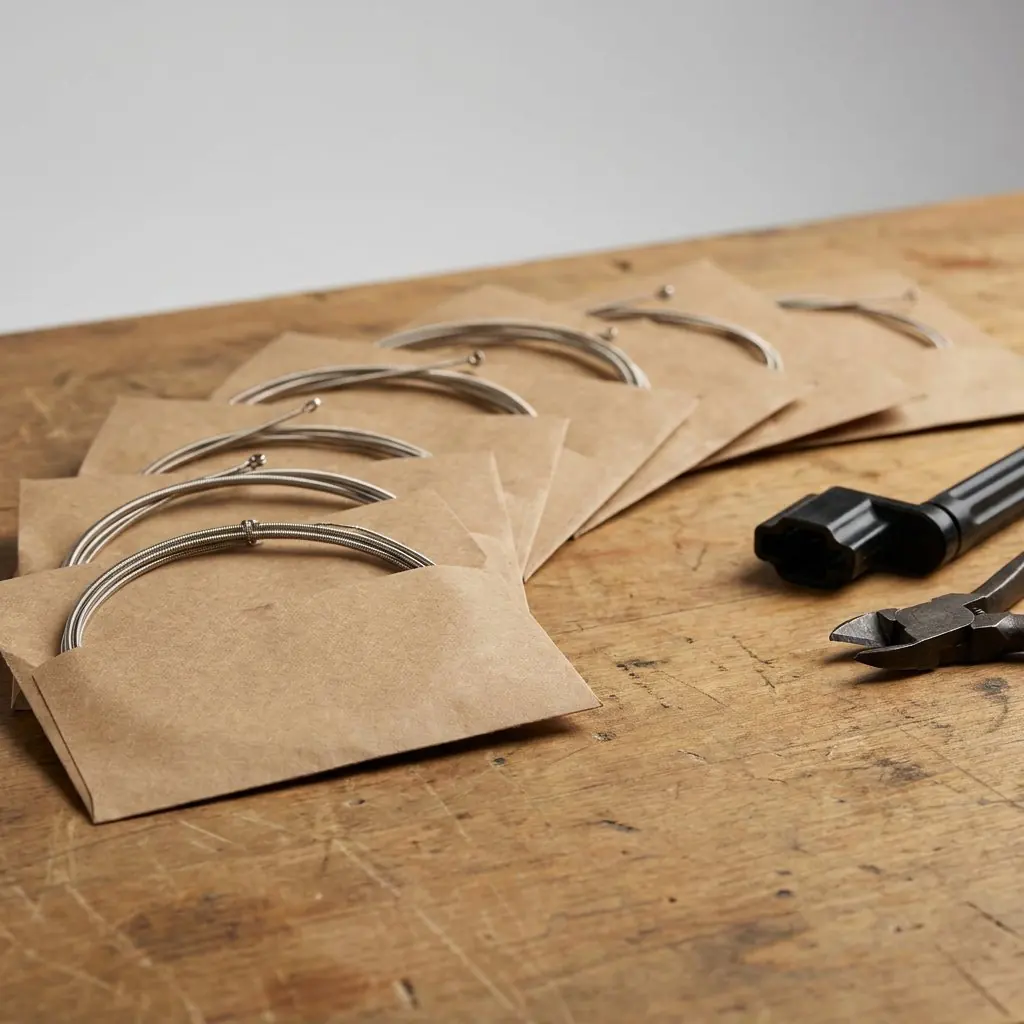
Change them when they sound dull. Electric 009–010 ($8–11), acoustic 011–012 ($8–10), classical nylon ($8–13), bass 045–105 ($22–25).
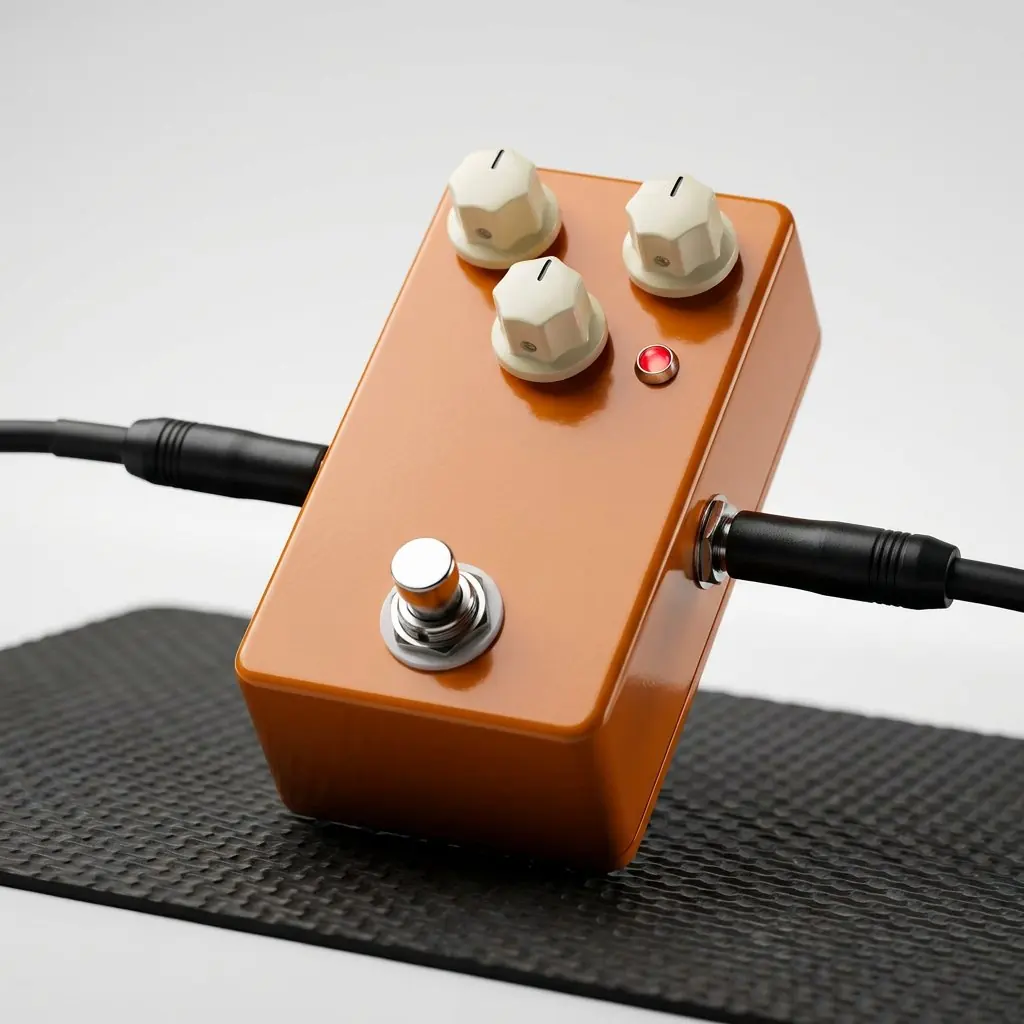
For the first 3 months, the amp's built-in effects are enough. Then one pedal: an overdrive or a delay for electric, a compressor for bass. $69–209.
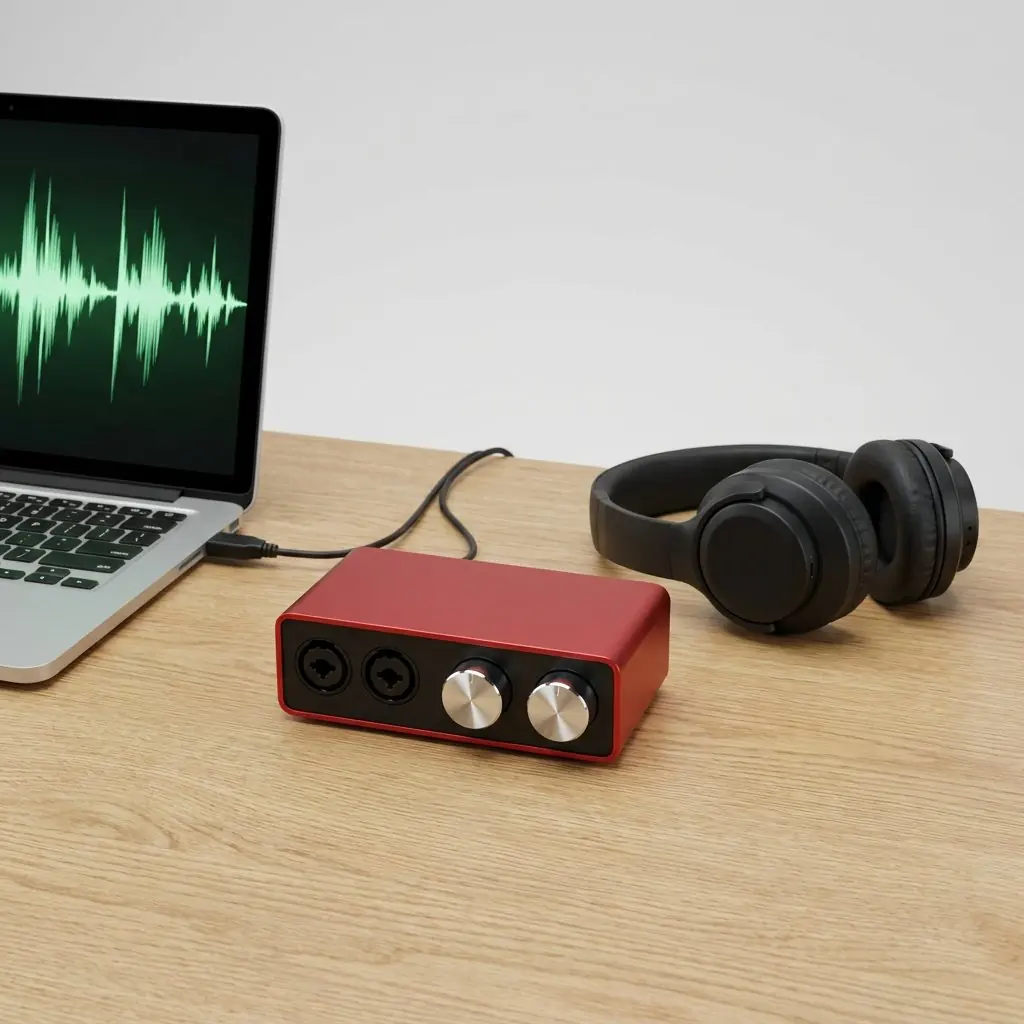
A device that plugs your instrument into a computer. If cover videos or recording are your goal, get this before an amp. For acoustic and classical, use it with a mic. $160–225.
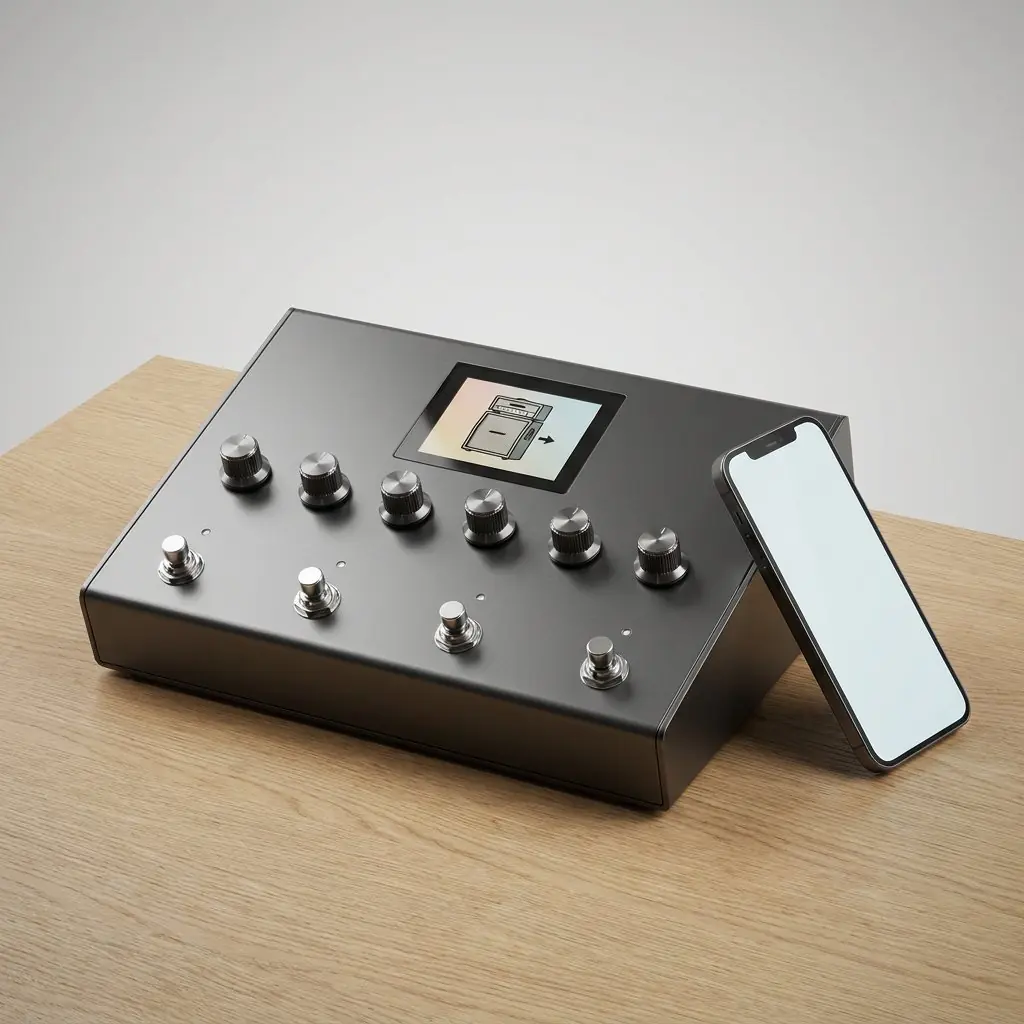
Amp and effects in one unit. Great for headphone practice, and if you bring it to a rehearsal, you get your own sound whatever the amp. $99–384.
Not the instrument price but the total it takes to get started. Tap an instrument tab to switch. Each set notes where you can save and where you shouldn't.
Prices are rough US street-price ranges in US dollars as of 2026 and can change. We list several models together so we don't favor any brand. For where to buy, see Retailers and brands.
Choose by where you play, not by watts. At home, you can't turn a 50W amp past 2. For acoustic and classical, this only applies when you play on stage.
Starting without an amp (electric and bass). If you can't make noise where you are, this is the answer.